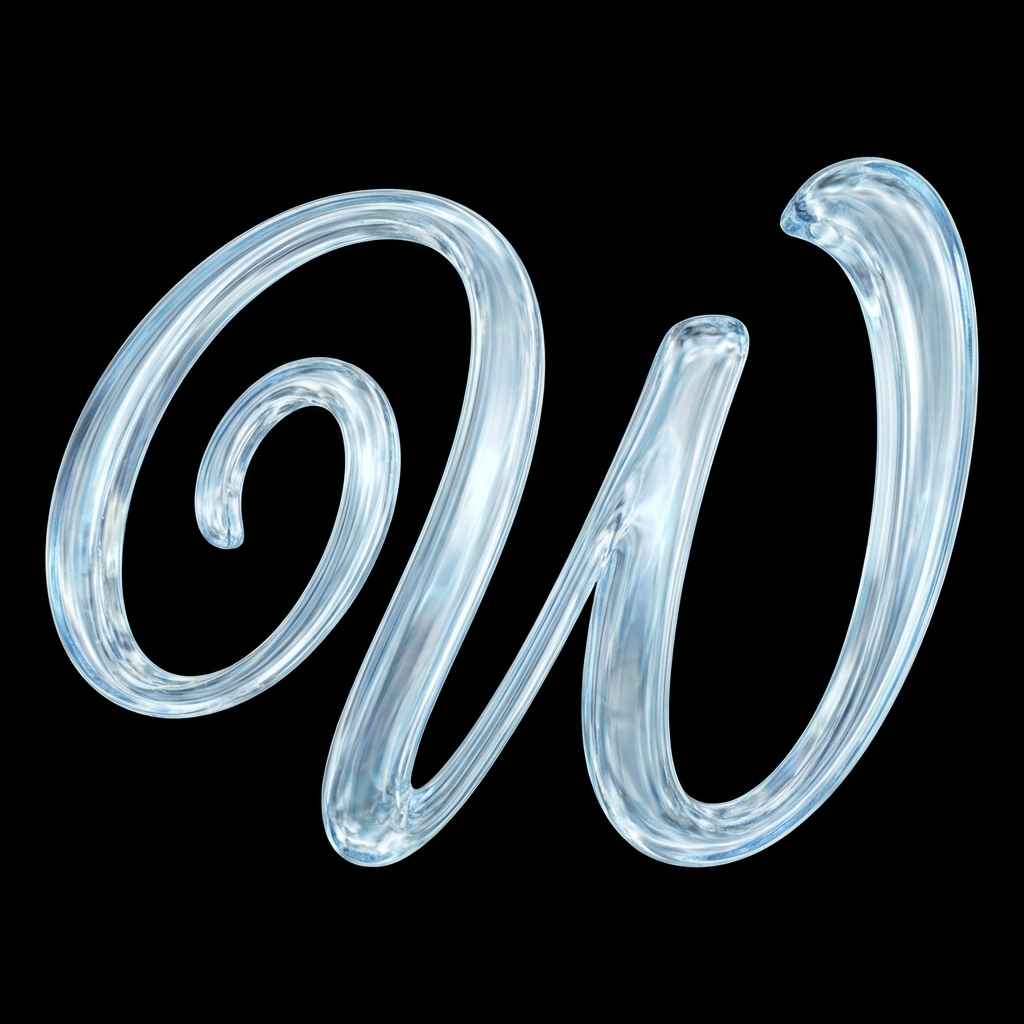
Acid Design
A visual aesthetic rooted in 1990s Acid House and rave flyer art, revived in mid-2010s Instagram design communities. It expresses visual dissonance and confusion to convey subjective emotions and unique, individualized identity. The mood is anti-utopian or dystopian, reflecting contemporary anxieties and digital culture with ironic, darkly humorous, or cynical perspectives.
Color Palette
- Primary base: Dark / black backgrounds
- Accent colors: Highly saturated neon and fluorescent colors layered over the dark base
- Core technique -- "Colorful Black": Use black as the dominant background color so that saturated, fluorescent accent colors appear significantly more vibrant through contrast
- Suggested neon accents for web implementation:
- Electric green:
#39FF14 - Hot magenta / neon pink:
#FF00FFor#FF1493 - Acid yellow:
#CCFF00or#DFFF00 - Cyan / electric blue:
#00FFFFor#0FF0FC - Neon orange:
#FF6600 - Ultraviolet purple:
#BF00FF
- Electric green:
- Background: Near-black or pure black (
#000000,#0A0A0A,#111111) - Avoid: Pastels, muted tones, earth tones, or large expanses of white
Typography
- Letterform style: Experimental, geometric, jagged, and distorted
- Surface treatment: Chrome, liquid metal, and iridescent textures applied to type
- Overall feel: Futuristic and tactile -- text should look like it has physical materiality
- Implementation techniques:
- Use bold, condensed, or display typefaces with angular geometry
- Apply CSS
background-clip: textwith metallic or gradient fills - Use
text-shadowwith neon glow colors (multiple layered shadows for bloom effect) - Consider SVG filters for chrome / distortion effects
- Animate text with subtle glitch, flicker, or warp effects
- Example CSS glow effect:
.acid-text {
  color: #39FF14;
  text-shadow:
    0 0 7px #39FF14,
    0 0 10px #39FF14,
    0 0 21px #39FF14,
    0 0 42px #0fa,
    0 0 82px #0fa;
}
Key Design Elements and Motifs
- Psychedelic and Op-Art patterns: Checkerboards, warped stripes, moire patterns, spiral distortions
- Wireframe models: 3D wireframe globes, geometric solids, grid planes receding into perspective
- Chrome and liquid metal surfaces: Reflective, mercurial textures on text and shapes
- Glass and plastic renderings: Translucent, refractive materials with specular highlights
- Laser effects: Sharp beams of colored light cutting across compositions
- Smiley faces: The iconic 90s rave smiley, often distorted or deconstructed
- World globes: Rendered as wireframes or with technological overlays
- Technological symbols: Circuit-like patterns, data visualization motifs, HUD-style overlays
Composition and Layout Principles
- Horror vacui (fear of empty space): Fill the entire composition; avoid large areas of negative space
- Dense, layered arrangements: Elements should overlap and stack, appearing random or chaotic but creating continuous visual flow
- Fragmented geometric patterns: Break layouts into angular, overlapping sections rather than clean grids
- Dynamic disorder: The composition should feel energetic and restless, not calm or orderly
- Overlapping elements: Text over images, shapes over text, layers upon layers
- Implementation approach:
- Use CSS Grid or absolute positioning for overlapping element placement
- Apply
mix-blend-mode(screen, overlay, difference) for layered color interactions - Use
clip-pathwith polygon values for angular, fragmented sections - Apply
transform: rotate()andskew()to break rigid alignment - Use
z-indexstacking to create depth through overlapping layers
Textures and Surface Effects
- Chrome / metallic: Linear gradients alternating between white, gray, and dark gray simulate reflective metal
.chrome { background: linear-gradient( 135deg, #333 0%, #fff 10%, #333 20%, #fff 30%, #666 40%, #fff 50%, #333 60%, #fff 70%, #333 80%, #fff 90%, #333 100% ); -webkit-background-clip: text; -webkit-text-fill-color: transparent; } - Iridescent / holographic: Use
hue-rotateanimations on gradient backgrounds for color-shifting effects.iridescent { background: linear-gradient(135deg, #ff00ff, #00ffff, #ff00ff, #ffff00); background-size: 400% 400%; animation: holo-shift 3s ease infinite; } @keyframes holo-shift { 0% { background-position: 0% 50%; filter: hue-rotate(0deg); } 50% { background-position: 100% 50%; filter: hue-rotate(45deg); } 100% { background-position: 0% 50%; filter: hue-rotate(0deg); } } - Noise / grain: Overlay SVG noise filters or CSS pseudo-elements with repeating grain textures to add analog texture
- Scanlines: Thin repeating horizontal lines via
repeating-linear-gradientto simulate CRT displays
Animation and Motion
- Glitch effects: Rapid, short-duration shifts in position, color channels, or clip regions
- Flicker: Intermittent opacity changes on text or decorative elements
- Rotation and drift: Slow, continuous rotation on geometric decorative elements
- Distortion waves: CSS or SVG filter-based displacement effects
- Scrolling patterns: Infinite scrolling background patterns using
@keyframeswithbackground-positionortransform: translate()
CSS Techniques Summary
| Technique | CSS Property / Approach |
|---|---|
| Neon glow | Multiple text-shadow or box-shadow with same-hue colors at increasing blur |
| Chrome text | background-clip: text with metallic linear gradient |
| Overlapping layout | CSS Grid with overlapping grid-row / grid-column, or absolute positioning |
| Color blending | mix-blend-mode: screen, difference, overlay |
| Angular clipping | clip-path: polygon(...) |
| Warped patterns | SVG feTurbulence + feDisplacementMap filters |
| Scanlines | repeating-linear-gradient(0deg, transparent, transparent 2px, rgba(0,0,0,0.3) 2px, rgba(0,0,0,0.3) 4px) |
| Noise grain | SVG filter with feTurbulence as overlay |
| Holographic shift | Animated hue-rotate filter on gradient background |
| Geometric rotation | transform: rotate() with animation |
Notable Designers and Influences
- David Rudnick -- typographic and identity work with distorted, chrome-treated letterforms
- Jonathan Castro -- dense, layered compositions with rave and cyberpunk motifs
- GUCCIMAZE -- jagged, angular custom typography with metallic textures
- Origin era: 1990s Acid House and rave flyer art
- Revival: Mid-2010s Instagram design communities
Related Aesthetics
- Acid House
- Barber Beats
- Cyberdelia
- Cyberpunk
- Neo-Vectorheart
- Neubrutalism
- New Beat
- Psychedelia
- Rave
- Retrofuturism
- Vectorheart
- Y2K Futurism